Reese
Reese 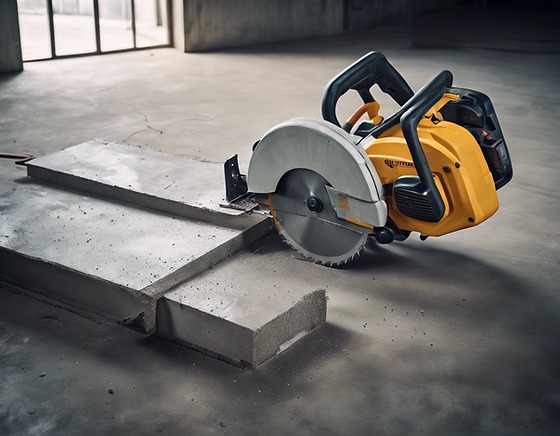
Concrete is one of the most durable and widely used building materials in construction, but working with it can be challenging without the right knowledge and tools. Whether you’re performing renovations, creating openings for utilities, or completing large-scale infrastructure projects, mastering concrete cutting is essential for efficiency, safety, and precision.
In this guide, we’ll cover the fundamental techniques, equipment, safety considerations, and best practices that every construction professional should know when tackling concrete cutting projects.
Why Concrete Cutting Matters
Concrete cutting isn’t simply about breaking up material—it’s about controlled removal. Poorly executed cuts can lead to structural damage, safety hazards, costly repairs, and wasted time. Understanding the correct techniques ensures that cuts are accurate, smooth, and safe, while also extending the life of your equipment.
Concrete cutting Brisbane is used in various scenarios, including:
- Creating openings for doors, windows, or plumbing
- Installing electrical conduits or HVAC systems
- Repairing or removing damaged concrete sections
- Shaping slabs for landscaping or infrastructure
Professional cutting techniques ensure precision and minimise the risk of cracking or compromising the surrounding concrete.
Key Concrete Cutting Techniques
1. Wall Sawing
Wall sawing involves using a specialised circular blade mounted on a track system to cut vertical concrete surfaces. This technique is ideal for:
- Door and window openings
- Structural modifications
- High-rise construction projects
Wall saws provide precision cuts with minimal vibration, which helps protect the surrounding structure. They also allow for straight or curved cuts depending on project requirements.
2. Wire Sawing
Wire sawing uses a diamond-embedded wire to cut through thick or complex concrete structures. This technique is particularly effective for:
- Large beams, columns, or slabs
- Irregular or difficult-to-reach areas
- Reinforced concrete structures
Wire sawing is slow but highly precise, making it the preferred method when avoiding structural damage is critical.
3. Flat Sawing (Slab Sawing)
Flat sawing, sometimes called slab sawing, is used to cut horizontal surfaces, such as floors or pavements. Diamond-tipped blades on walk-behind or ride-on saws cut through the concrete to create joints, remove damaged sections, or prepare surfaces for renovation.
Flat sawing is ideal for:
- Road repairs
- Sidewalk and driveway projects
- Expansion joints and trenching
This technique produces clean cuts while minimising vibration and dust when proper methods are used.
4. Core Drilling
Core drilling uses a hollow, cylindrical diamond drill bit to cut precise holes in concrete. It is commonly used for:
- Plumbing, electrical, and HVAC installations
- Anchor points and utility penetrations
- Sampling concrete for structural analysis
Core drilling produces clean, round holes with minimal damage to surrounding concrete. Using water as a coolant also helps reduce dust and prolong the life of the drill bit.
5. Hand Sawing
For smaller projects or hard-to-reach areas, hand saws with diamond blades are effective. This method allows for:
- Small cuts and adjustments
- Finishing work on slabs or walls
- Precision cutting in confined spaces
While slower than mechanised methods, hand sawing is versatile and allows for careful control over delicate cuts.
Essential Equipment for Concrete Cutting
Successful concrete cutting depends on using the right tools. Key equipment includes:
- Diamond blades: The most effective for cutting reinforced and unreinforced concrete.
- Walk-behind saws: Suitable for horizontal cuts on floors and pavements.
- Wall saws: Mounted on vertical tracks for precision cuts on walls.
- Wire saws: Flexible for large or irregular structures.
- Core drills: For circular penetrations.
- Hand saws: Useful for small or detailed cutting work.
Choosing the correct blade type, size, and cutting method ensures efficient work and prolongs the life of your equipment.
Safety Considerations
Concrete cutting presents significant safety risks if not done correctly. Common hazards include flying debris, dust inhalation, electrical hazards, and equipment mishandling. Key safety practices include:
- Personal protective equipment (PPE): Wear safety goggles, gloves, ear protection, high-visibility clothing, and dust masks.
- Dust control: Use water to suppress dust when cutting, or use vacuum extraction systems.
- Secure the site: Ensure the area is cordoned off and unauthorised personnel are kept away.
- Proper training: Operators should be trained in handling equipment, blade changes, and emergency procedures.
- Regular equipment checks: Inspect blades, machines, and safety guards before every job.
Following strict safety guidelines not only protects workers but also improves cutting accuracy and efficiency.
Best Practices for Effective Concrete Cutting
1. Plan Your Cuts
Before starting, mark the areas clearly and understand the location of embedded objects, such as rebar, conduits, or post-tension cables. Using concrete scanning technology can help avoid damaging hidden structures.
2. Use the Right Blade
The choice of blade depends on whether the concrete is reinforced, the thickness of the slab, and the type of cut. Always select a diamond blade that matches your material and cutting style.
3. Keep the Blade Cool
Overheating blades can reduce efficiency and cause damage. Use water or air cooling to prolong blade life and reduce dust.
4. Cut in Stages
For thick concrete, avoid trying to cut through in a single pass. Cutting in multiple shallow passes improves precision and reduces stress on the blade and equipment.
5. Maintain Equipment
Regular maintenance of saws, drills, and blades ensures smooth operation, reduces downtime, and prolongs the lifespan of your tools.
Advancements in Concrete Cutting Technology
Modern construction sites are adopting advanced tools and technology to improve concrete cutting efficiency. Some innovations include:
- Laser-guided saws for extreme precision
- Diamond wire systems for cutting large or complex structures
- Concrete scanning integration to detect embedded objects before cutting
- Automated saws and robotics for repetitive tasks on large projects
These innovations reduce risk, increase speed, and improve the overall quality of the work.
Conclusion
Concrete cutting is a critical skill for construction professionals. Understanding the right techniques, equipment, safety practices, and modern innovations ensures projects are completed safely, efficiently, and with precision. From wall sawing and core drilling to slab sawing and hand cutting, every method has its own applications and advantages.
Investing time in mastering these essential techniques not only prevents costly mistakes but also enhances the overall quality and safety of any construction project. Whether you’re working on residential renovations, commercial builds, or large infrastructure developments, concrete cutting expertise is an indispensable part of a pro’s toolkit.
With careful planning, the right tools, and a strong emphasis on safety, concrete cutting can be executed smoothly, protecting both workers and the structural integrity of your project. Master these techniques, and you’ll be prepared to tackle any concrete challenge with confidence and professionalism.